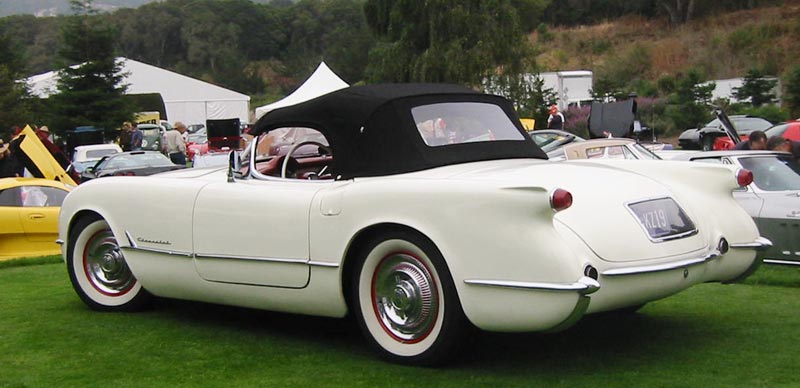
1953 Corvette Part Two
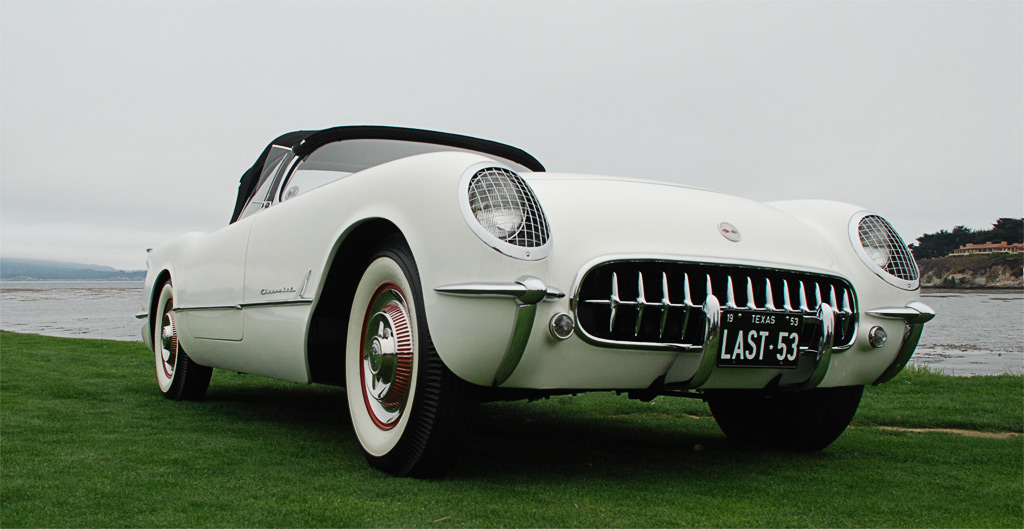

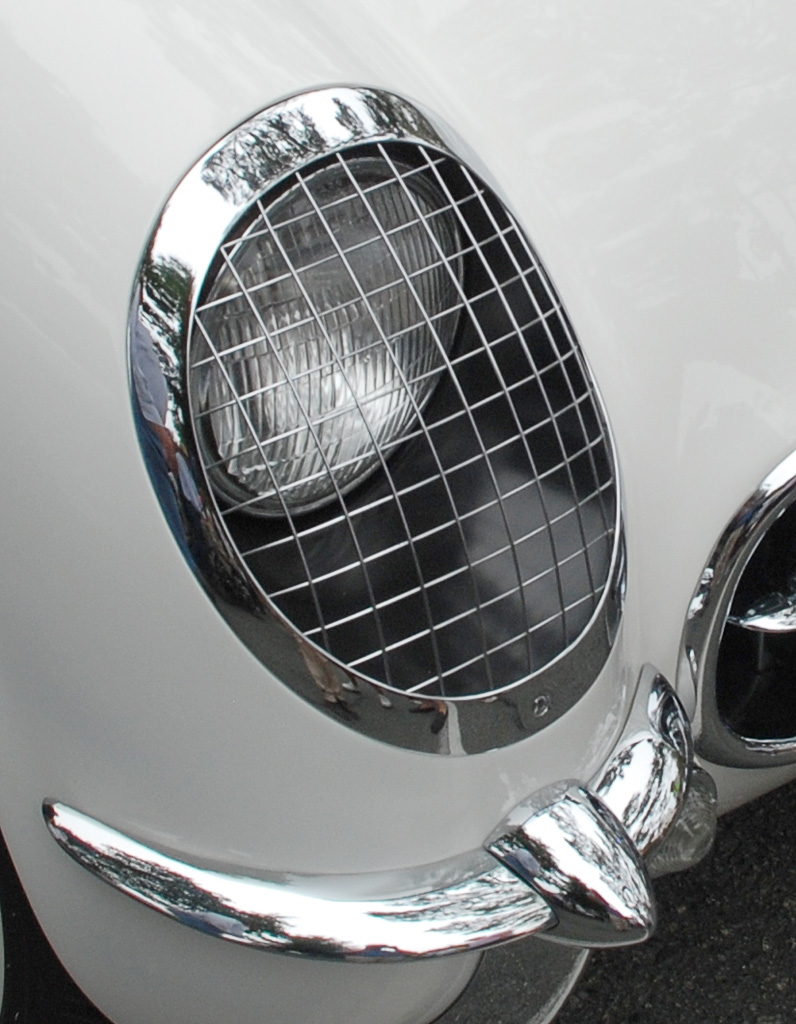
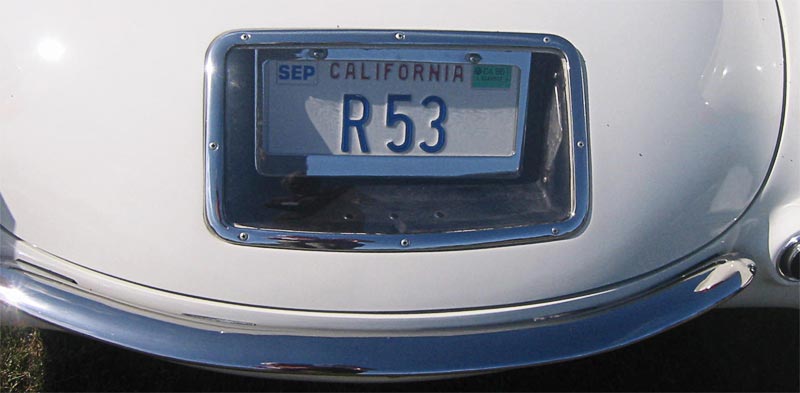
 Right: Corvette headlights featured a stoneguard (or "fencing mask") treatment, part of the "sports car" target image. They were often seen on race prepared cars as a way to prevent broken headlights from debris and rocks. The engineers and stylists both wanted glass covers, similar to what was used on the license plate (below) but the current laws forbid the practice.

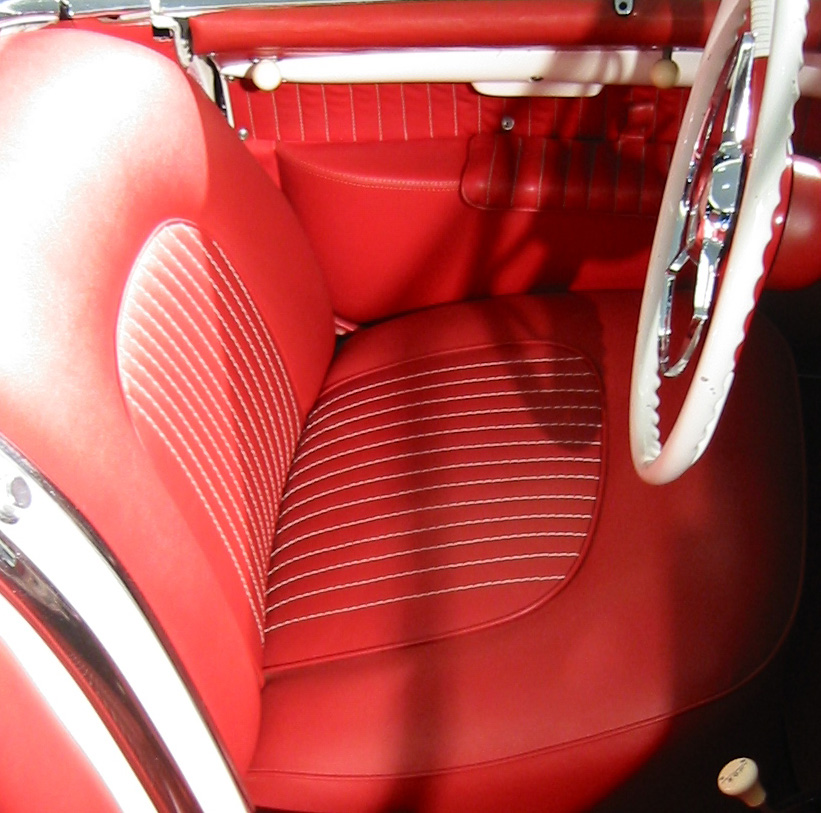
 Right: A "waterfall" effect was found between the seats as a body piece extended into the interior. This gave a very open feeling to the car. Later generations would pay homage to this technique and incorporate the same design traits in the convertible models. Pressing the button released the convertible top cover.

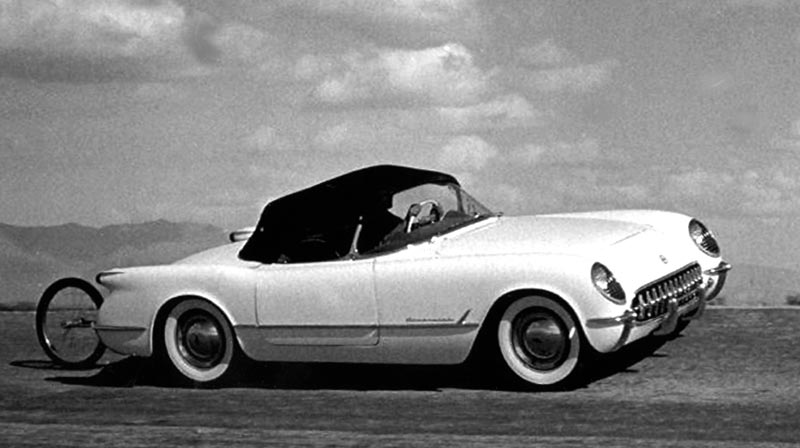

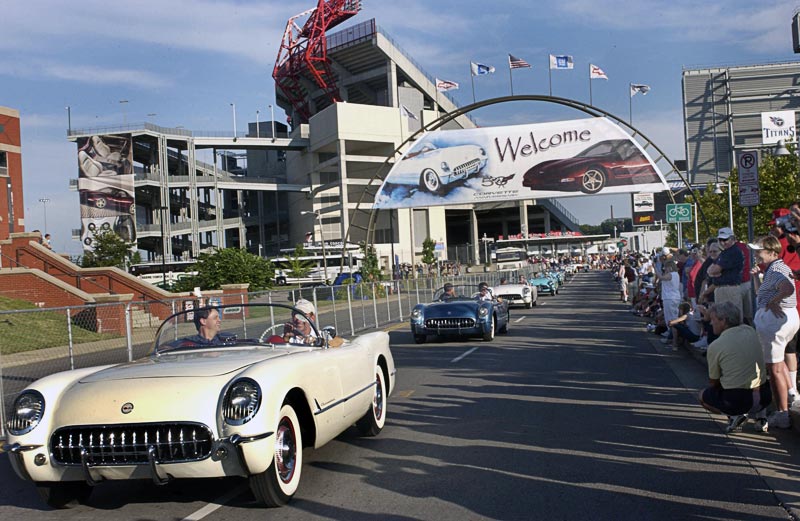

 Right: All 1953-55 Corvettes had removable (as opposed to roll up/down) windows. Black oilcloth bags were used for storage.
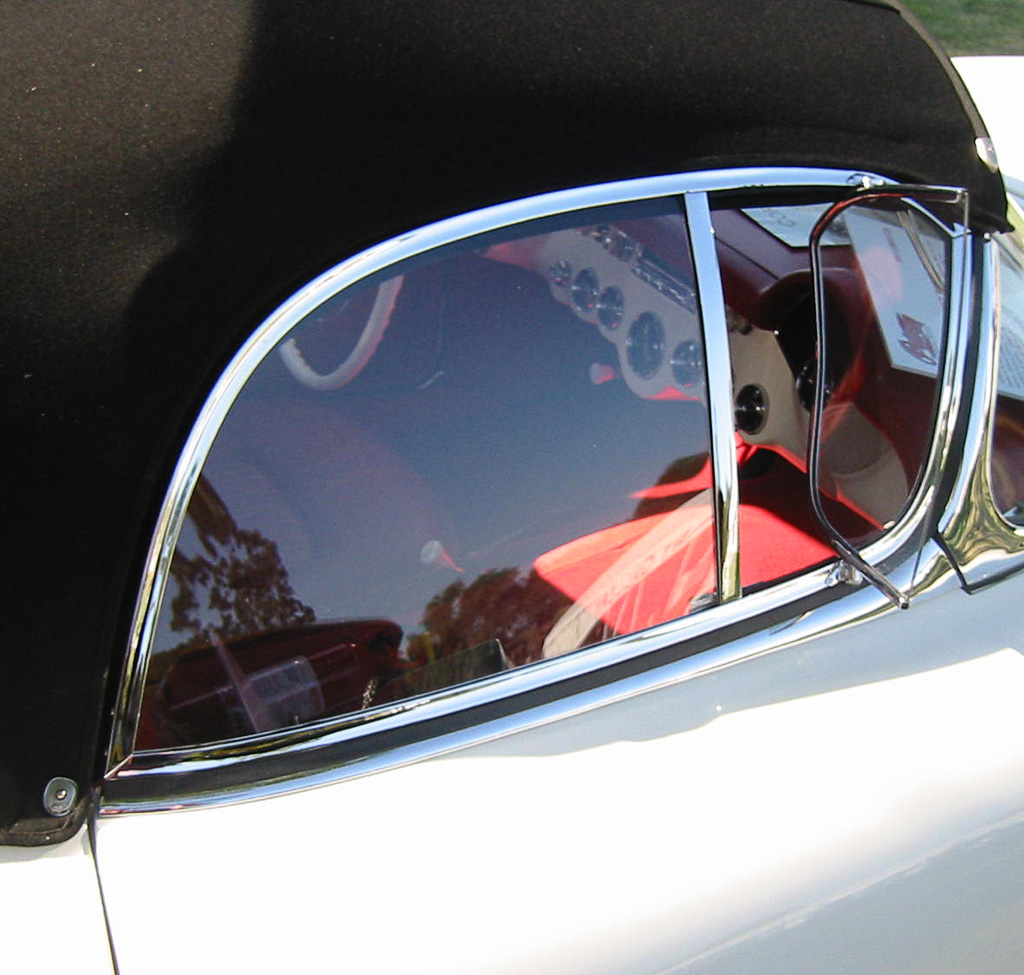
Below: Along with the Polo White exterior, all 1953 Corvettes came with a black canvas soft top.